
A partial inventory of native plants found in and around Marion Lake.
Subaquatic species:
-
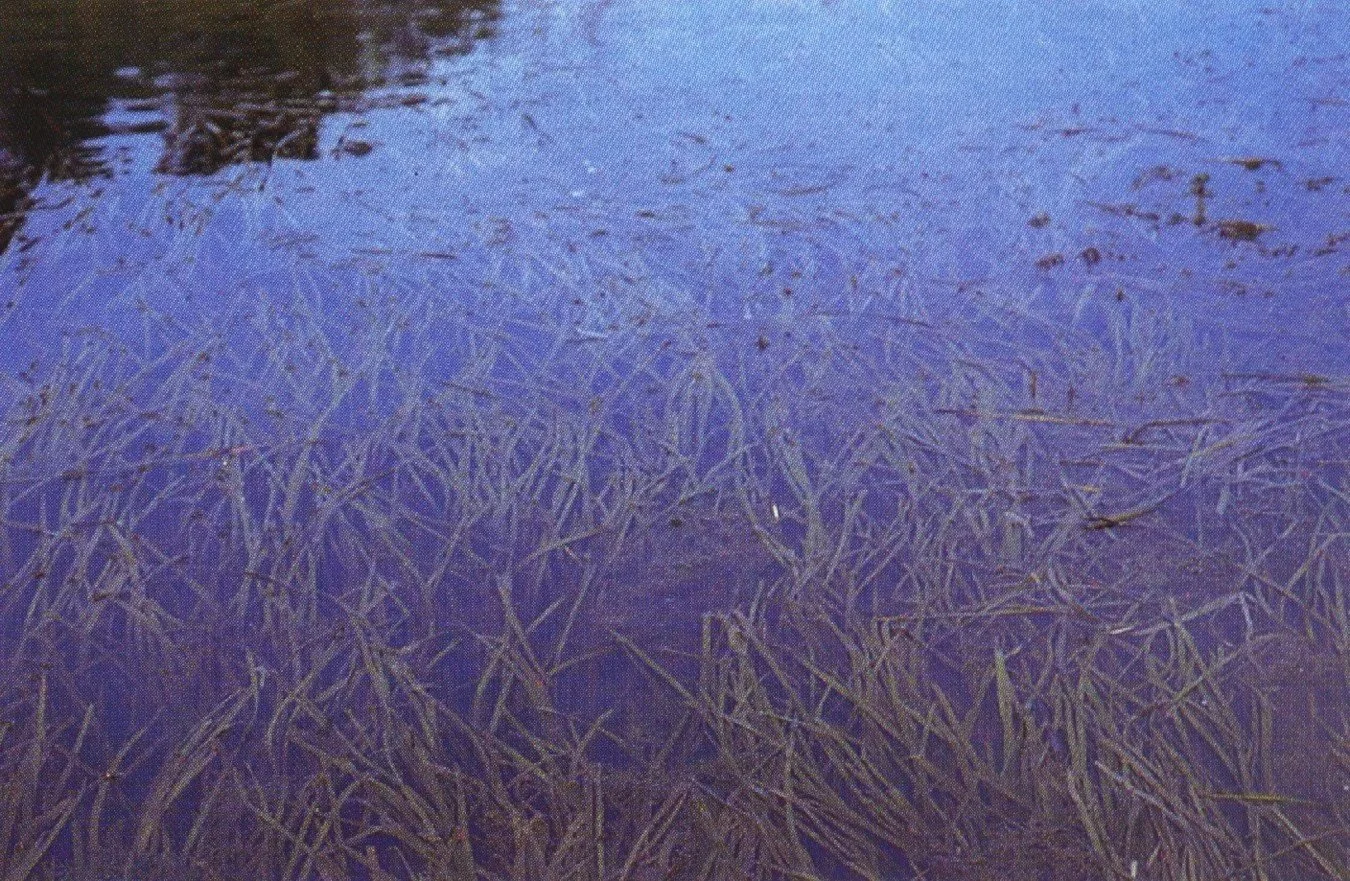
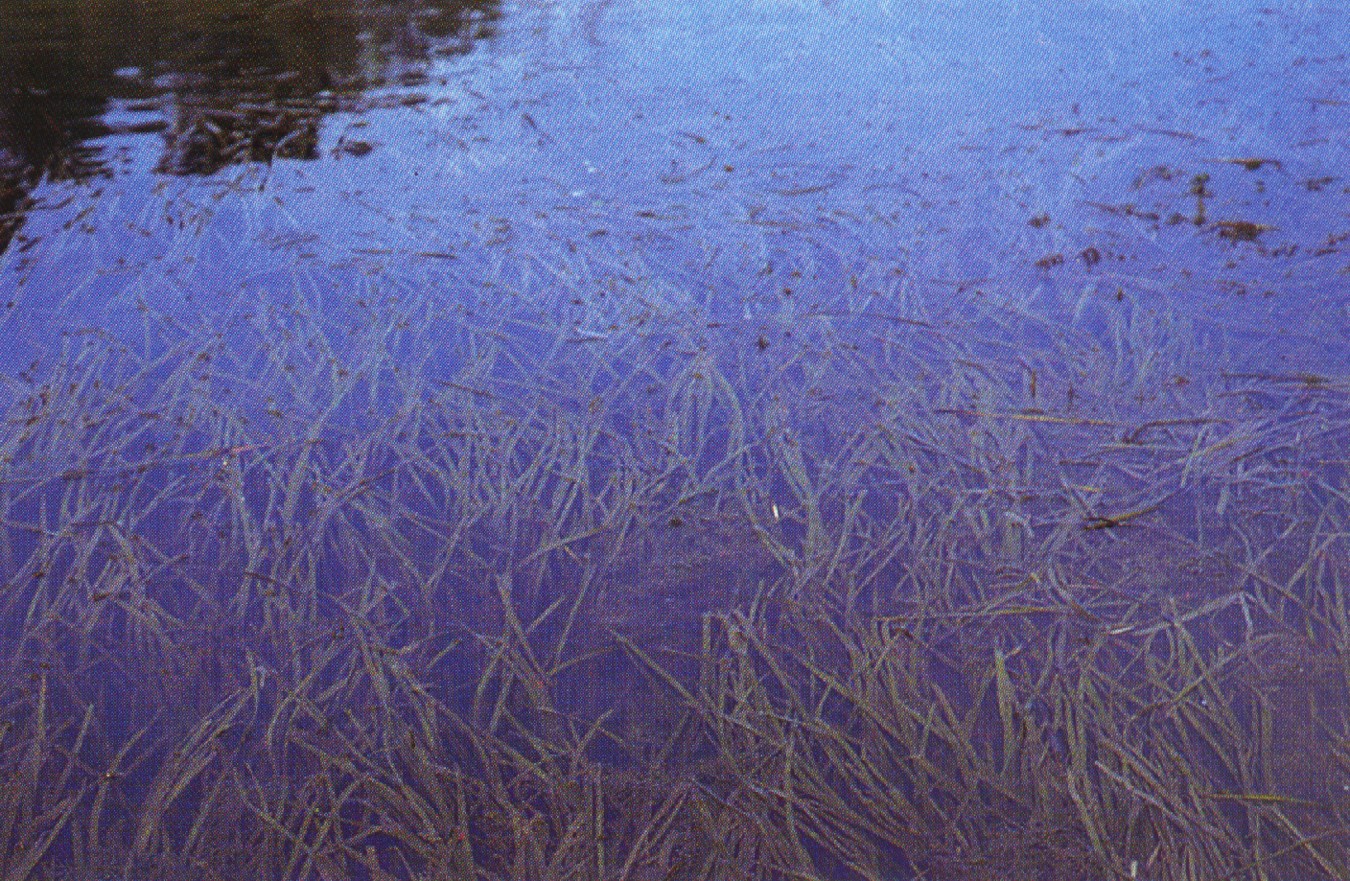
American eel grass - Vallisneria americana.
As a submerged plant, American eel grass photosynthesizes underwater and releases dissolved oxygen — improving water quality and supporting fish, amphibians, and invertebrates. Photo: William & Wilma Follette
-
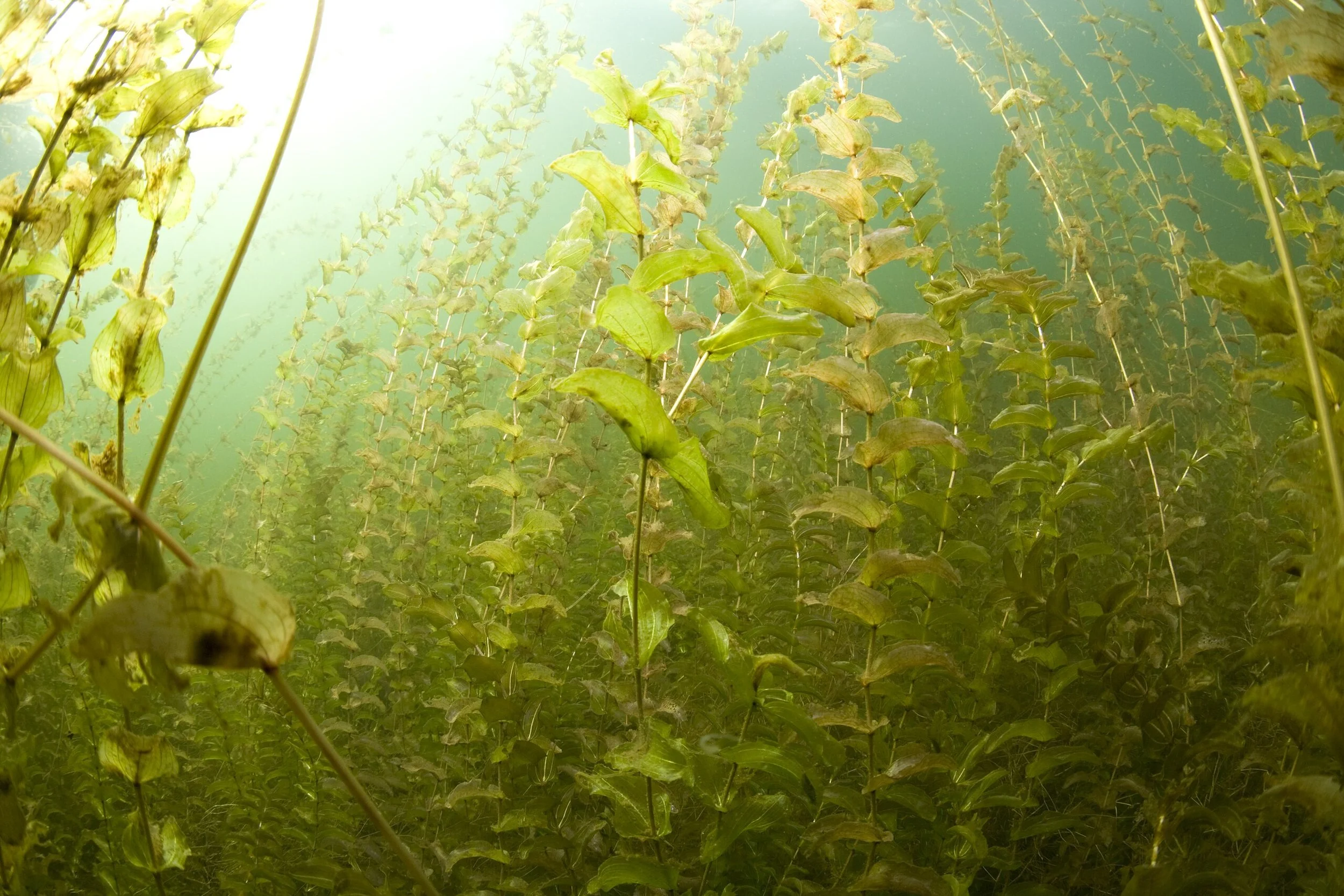
Clasped pondweed - Potamogeton perfoliatum
Clasping pondweed is key underwater plant that clears the water, feeds wildlife, and builds habitat for fish and aquatic invertebrates. Photo: Tristen He | CC BY-SA 4.0
-
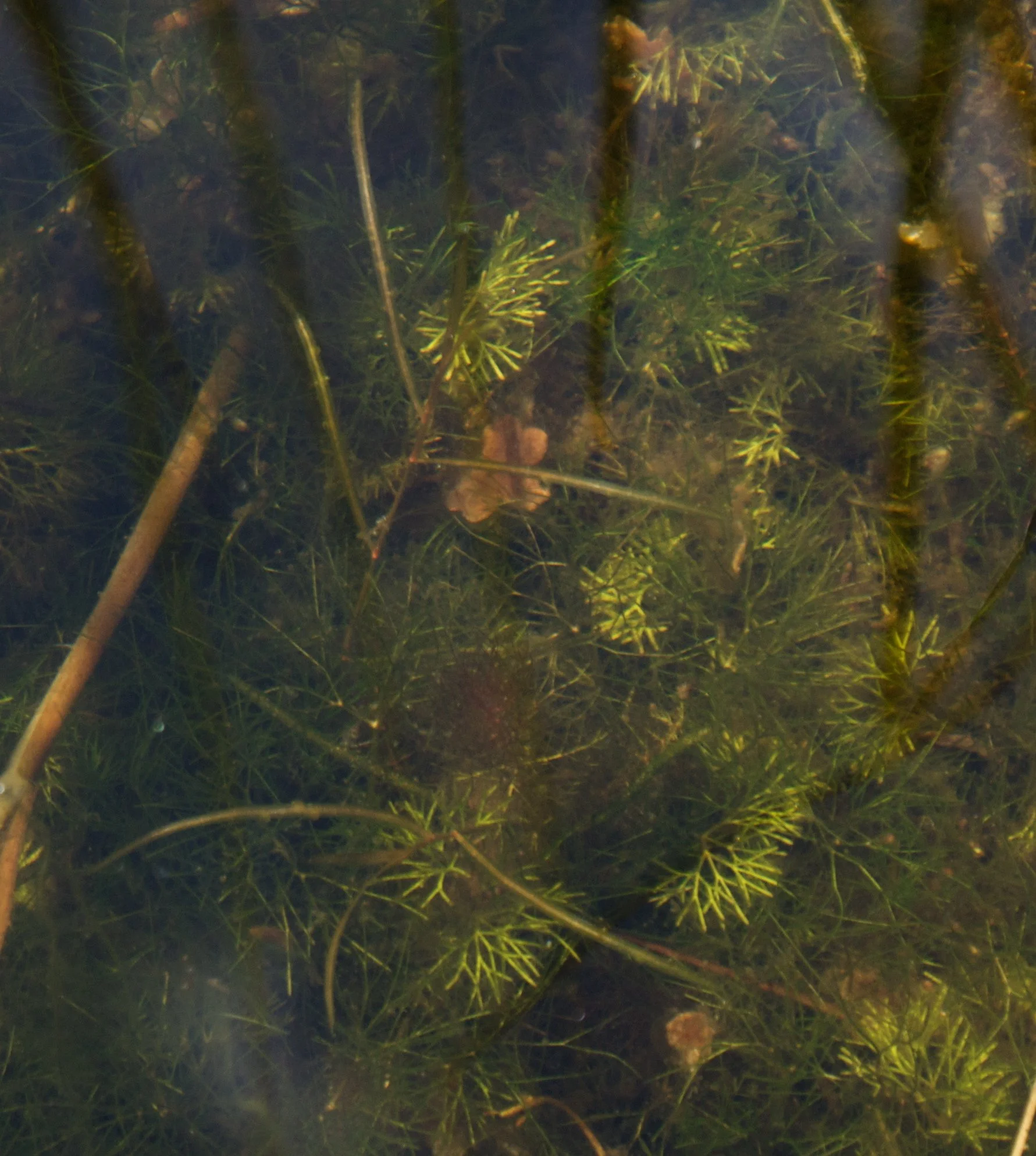
Small pondweed - Potamogeton berchtoldii
Small Pondweed.is a fine submerged foliage that stabilizes sediments and supports small organisms. Photo: Tristen He | CC BY-SA 4.0
Woody plants:
-
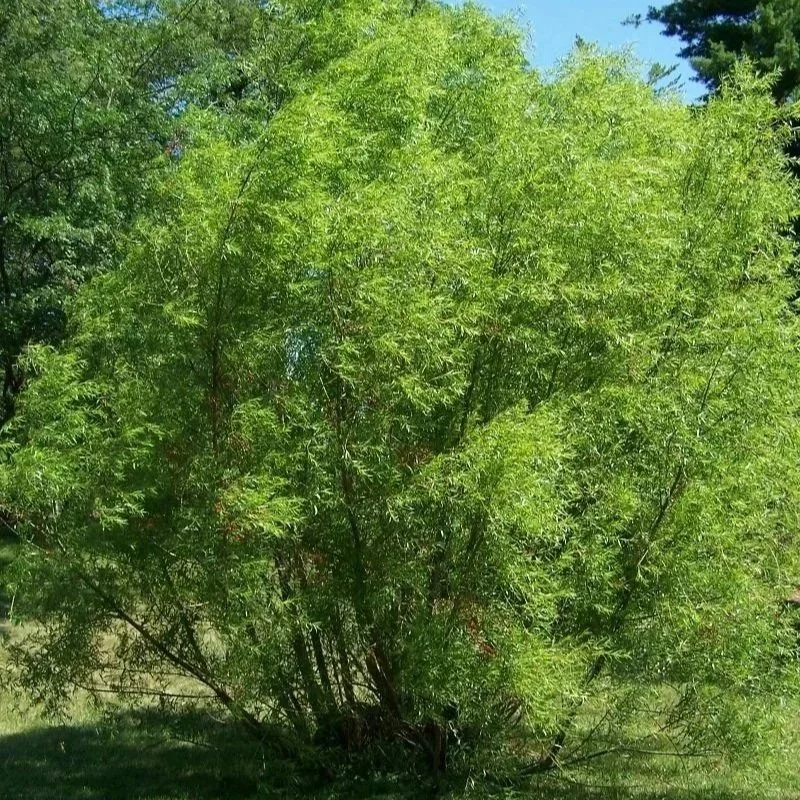
Black willow - Salix nigra
Black Willow shoreline tree with deep roots that prevent erosion and hosts early pollinators. Photo: Bruce Marlin | CC BY-SA 2.5
-
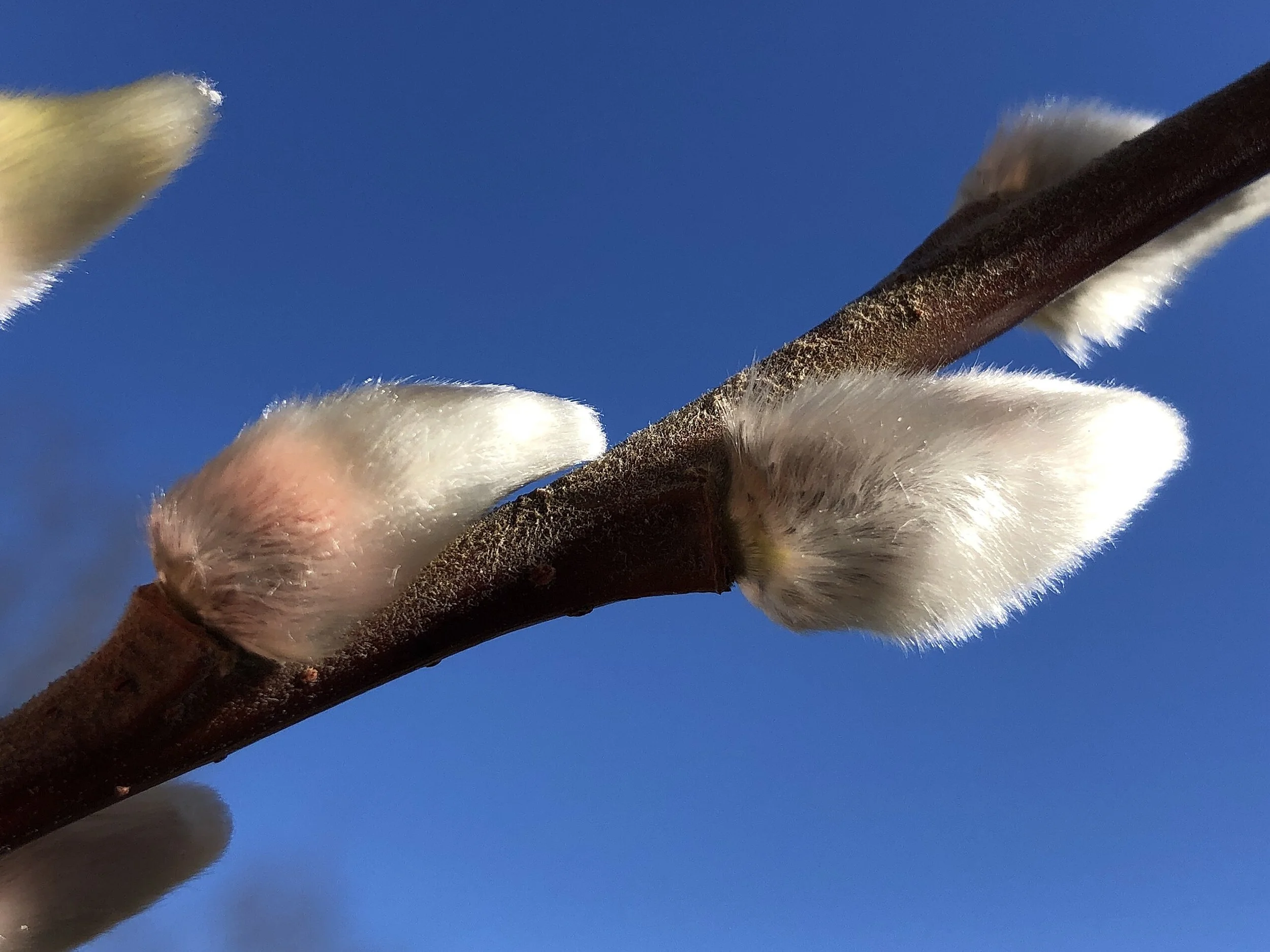
Pussy Willow - Salix discolor
Pussy Willow offers some of the earliest spring pollen, feeds wildlife, and helps strengthen wetland banks. — vital to native bees. Photo: Famartin | CC BY-SA 4.0
-
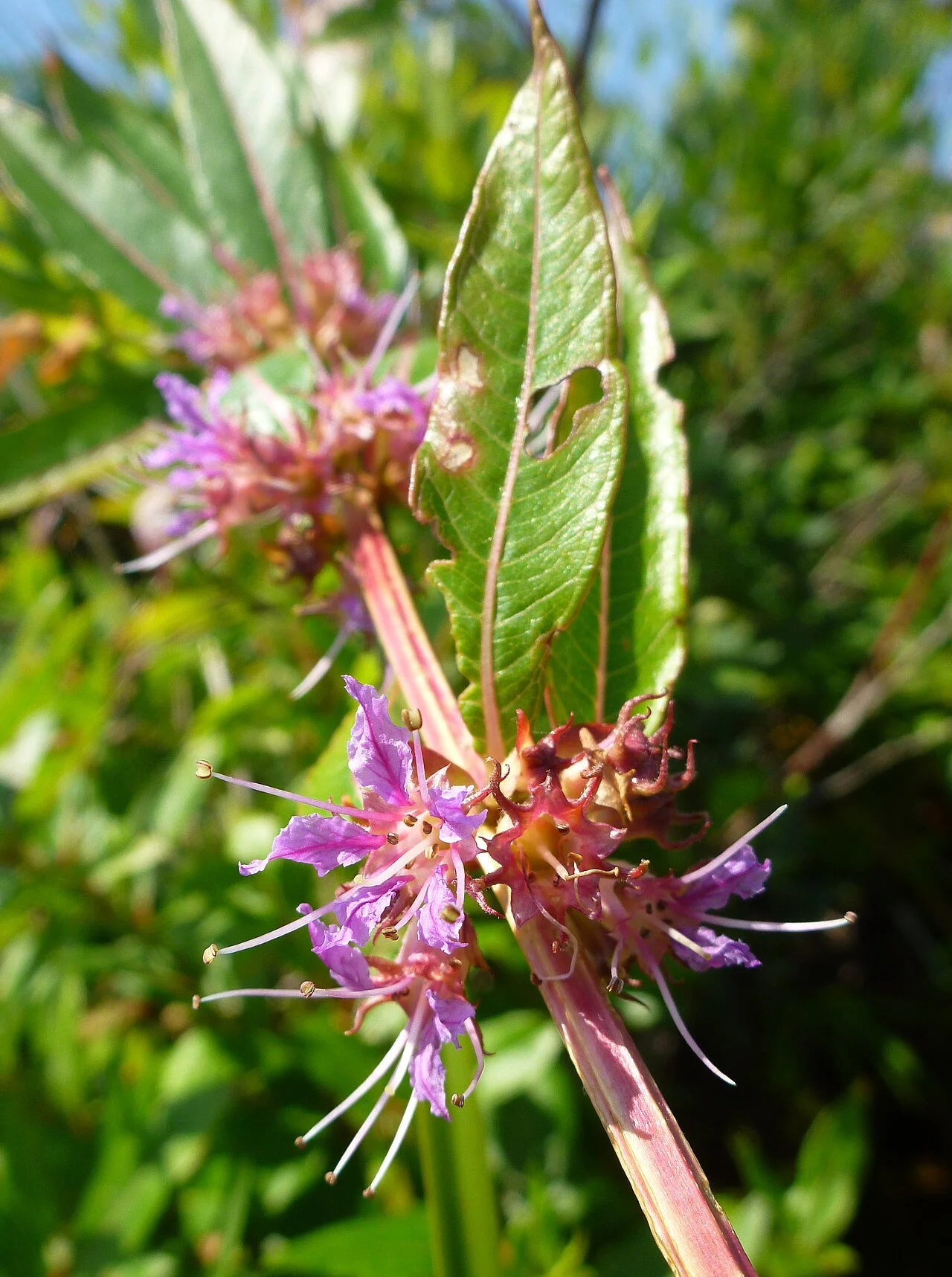
Water Willow - Decodon verticillatus
Water willow provides dense cover and nectar for insects, amphibians, and nesting birds. Photo: Antepenultimate | CC BY-SA 4.0
-
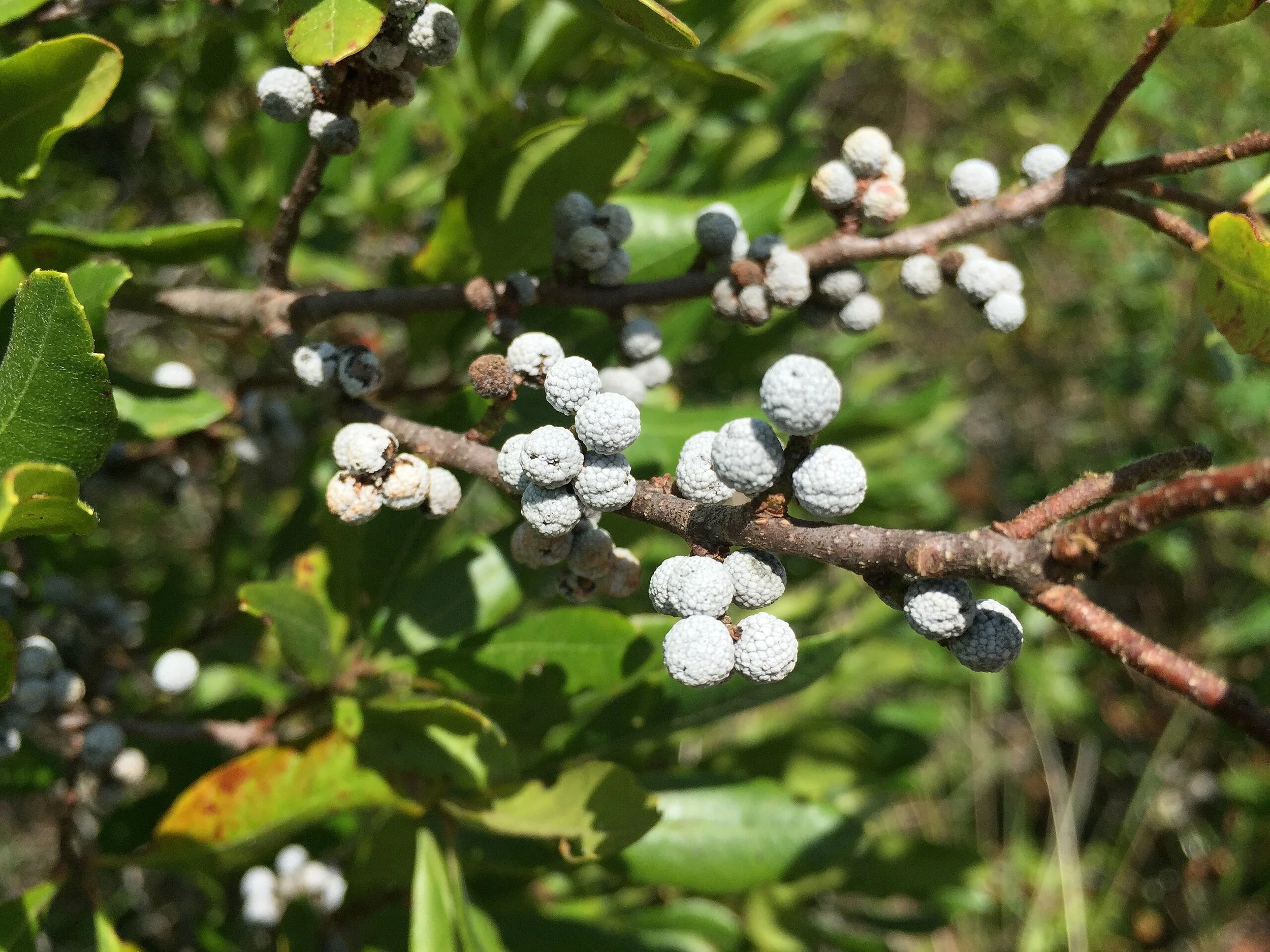
Bayberry - Myrica pensylvanica
Bayberry binds shoreline soils, reduces erosion, and supplies essential cold-season fruit to overwintering birds. Photo: Famartin | CC BY-SA 4.0
-
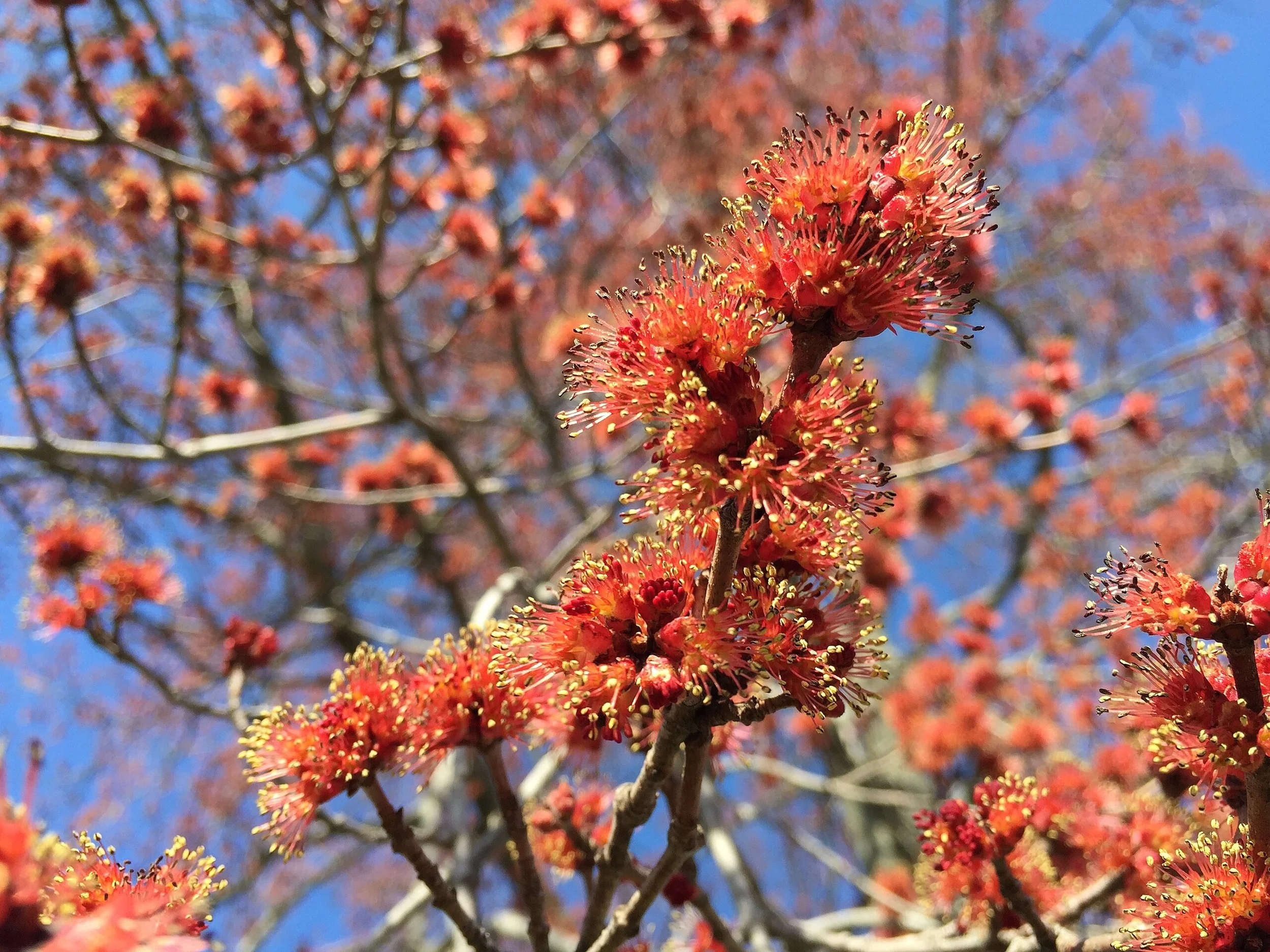
Red maple - Acer rubrum
Red maple enriches the lakeshore ecosystem by providing early-season nectar for pollinators, leaf litter for aquatic nutrient cycling, and canopy habitat for birds and wildlife. Photo: Famartin | CC BY-SA 4.0
-
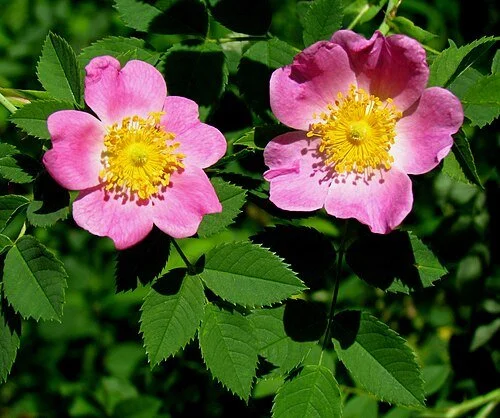
Carolina Rose - Rosa Carolina
Carolina rose supports native pollinators with open pink blooms and provides nutritious hips for birds and small mammals later in the season. Photo: D. Gordon E. Robertson | CC BY-SA 3.0
-
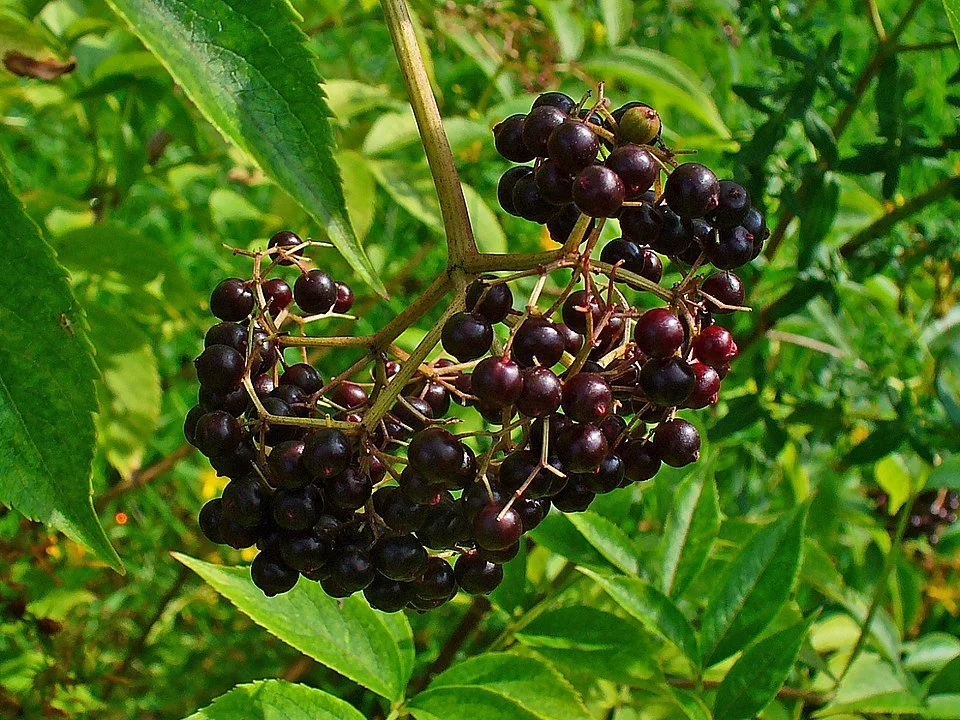
Elderberry - Sambucus canadensis
Elderberry - high-value wildlife shrub offering nectar for pollinators and nutrient-rich berries for birds and small mammals. Photo: H. Zell / CC-BY-SA 3.0
-
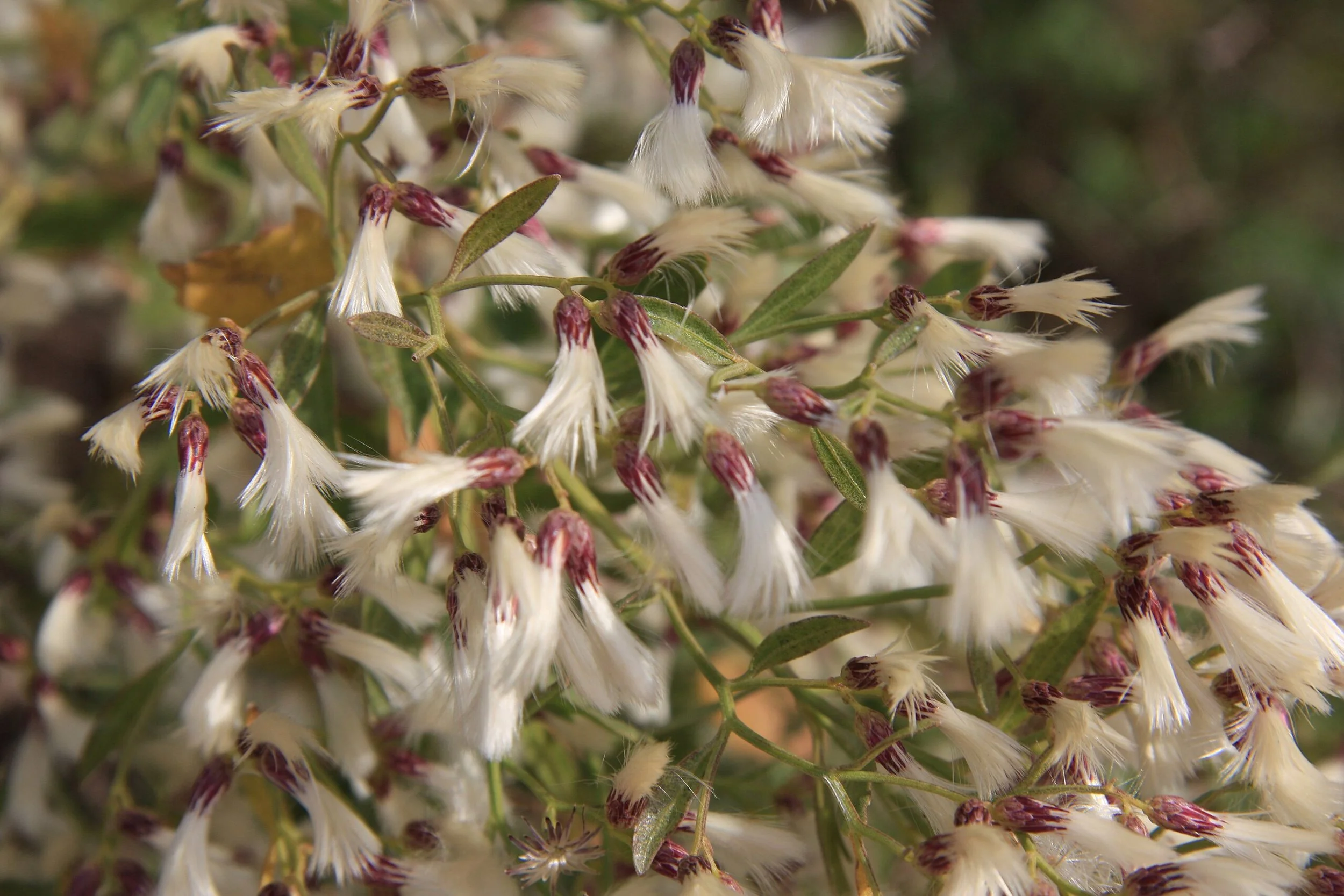
Eastern Baccaris - Baccharis halimifolia
Eastern baccharis provides late-season nectar for pollinators and helps stabilize coastal lake edges. Photo: Dcrjsr | CC BY 3.0

Herbaceous plants
-

Swamp rosemallow - Hibiscus moscheutos
Swamp Rosemallow’s large blooms support bees and hummingbirds while signaling healthy, stable wetland conditions. Photo: The Cosmonaut | CC BY-SA 2.5 ca
-
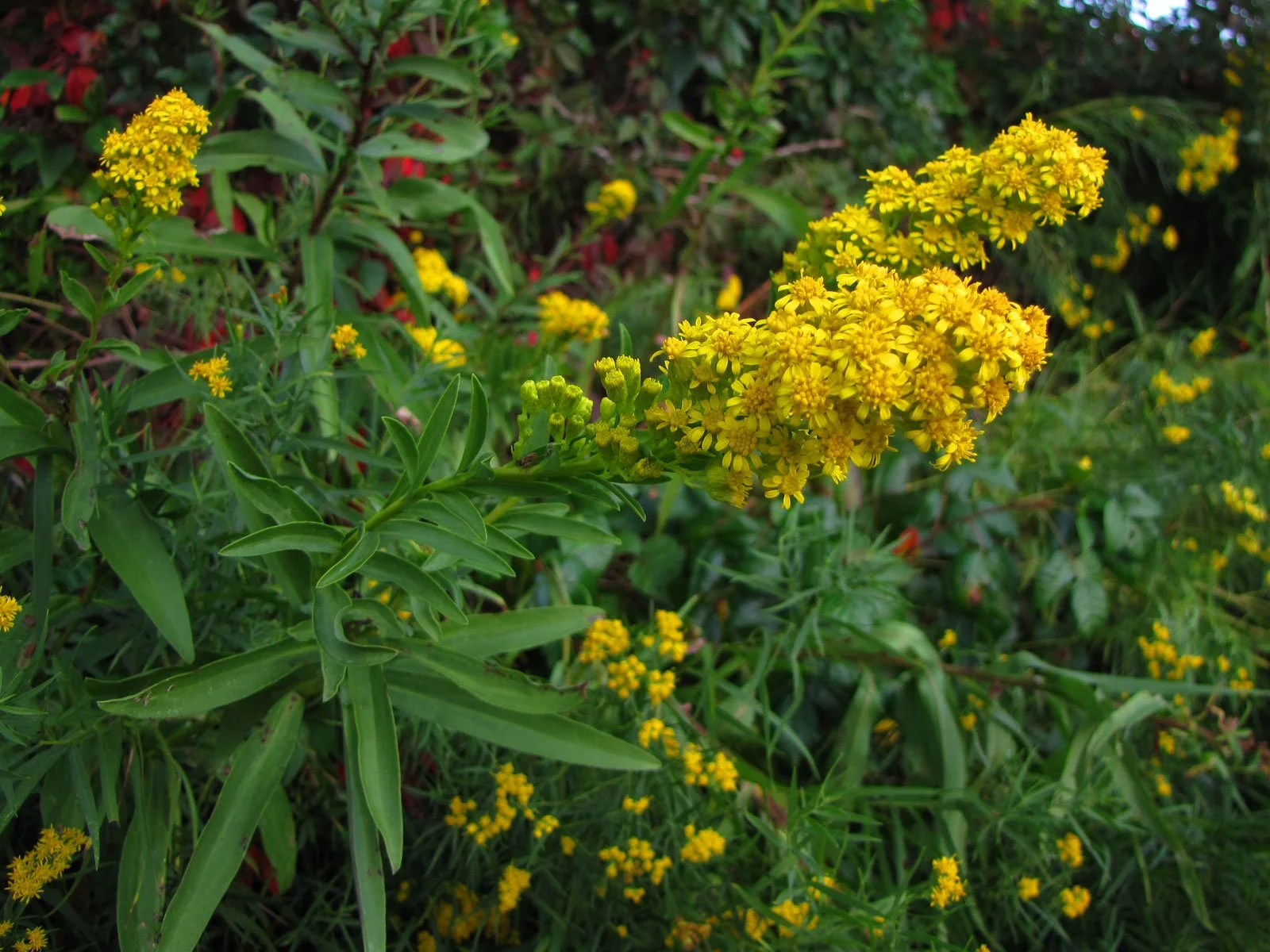
Goldenrod - Solidago sempervirens
A salt-tolerant goldenrod that feeds migrating butterflies and bees well into fall. Photo: Katja Schulz | CC BY 2.0
-
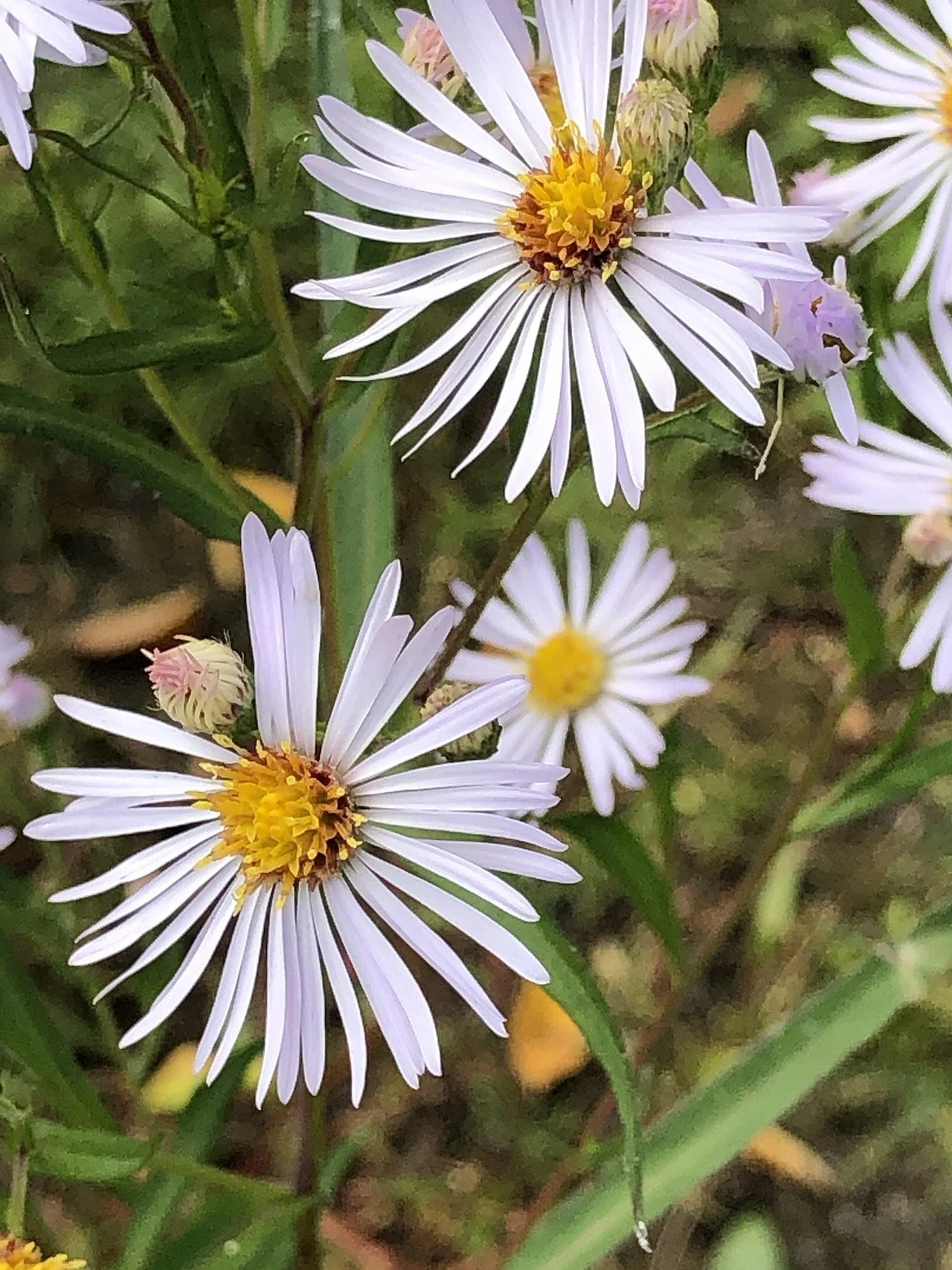
White-panicle aster - Symphyotrichum lanceolatum
White-panicle aster’s long bloom period sustains pollinators into late autumn, strengthening seasonal biodiversity around the lake. Photo: Rob Foster | CC BY 4.0
-
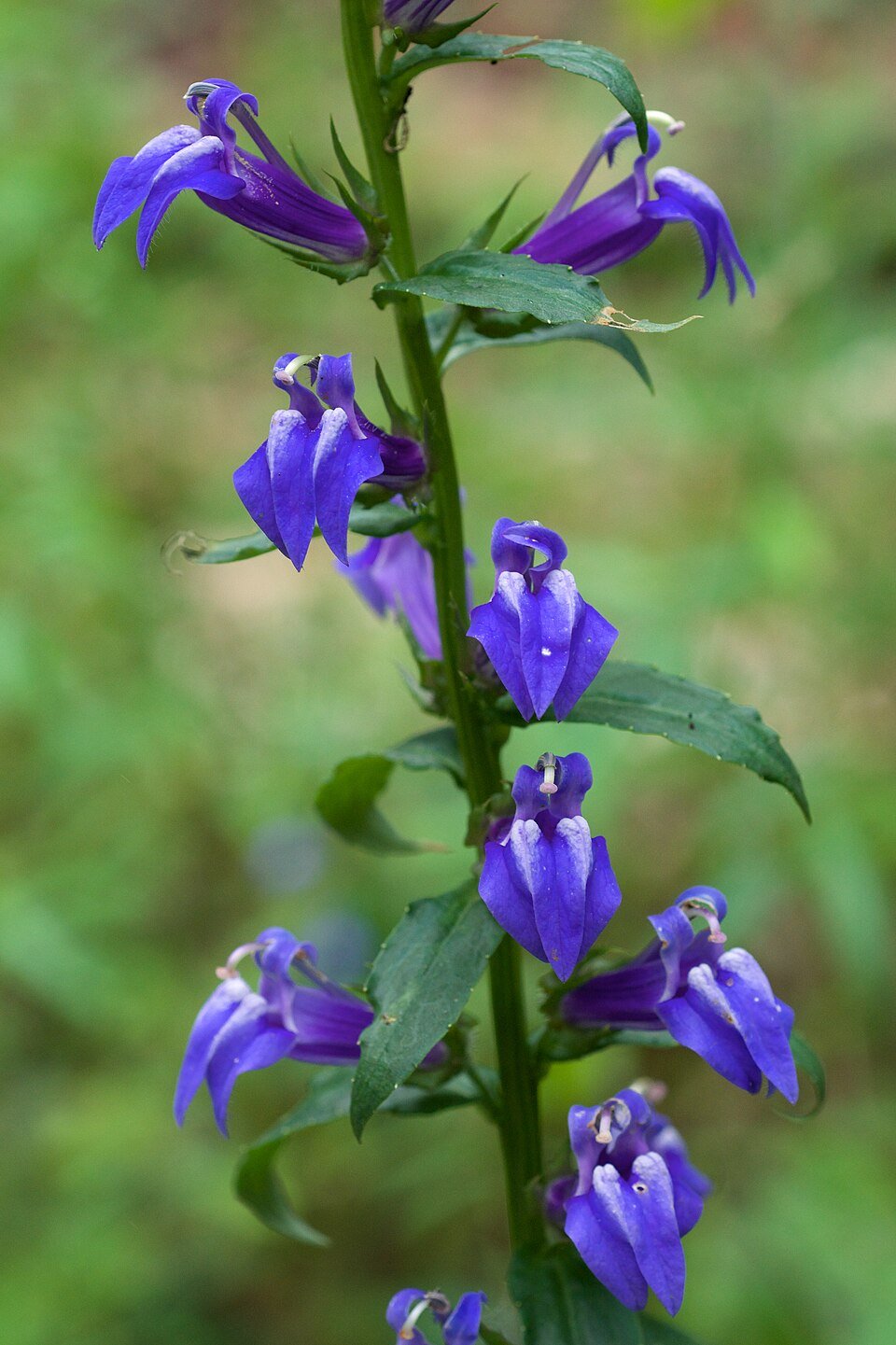
Blue Cardinal Flower - Lobelia siphilitica
Blue Cardinal Flower thrives in moist lakeside soils, offering rich nectar for bumblebees and late-summer pollinators. Photo: Eric Hunt | CC BY-SA 4.0
-
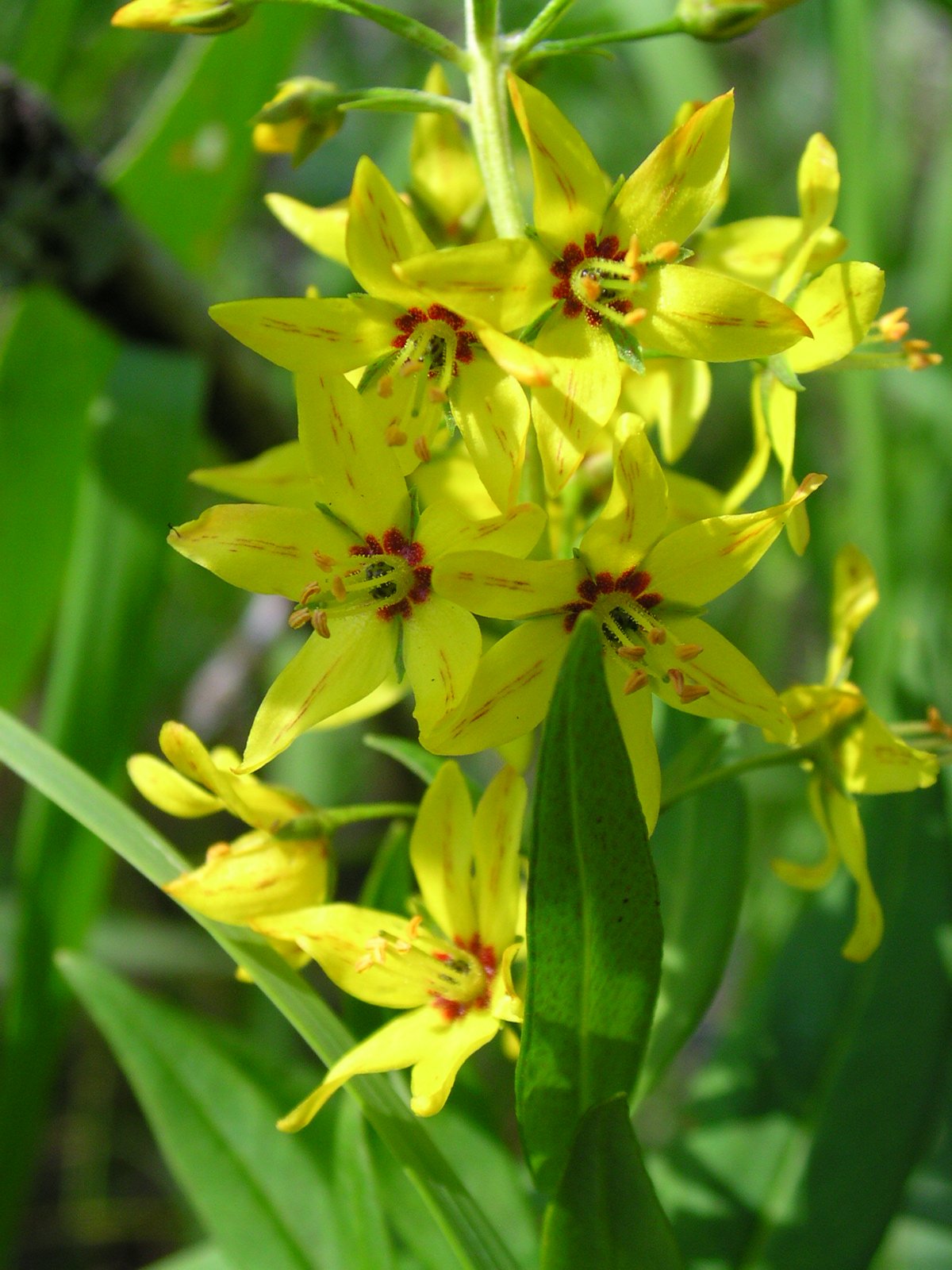
Swamp Candles - Lysimachia terrestis
Swamp Candles are wetland wildflower that feeds bees and flourishes in sunny, waterlogged habitats. Photo: AlbertHerring | CC BY 2.0
-
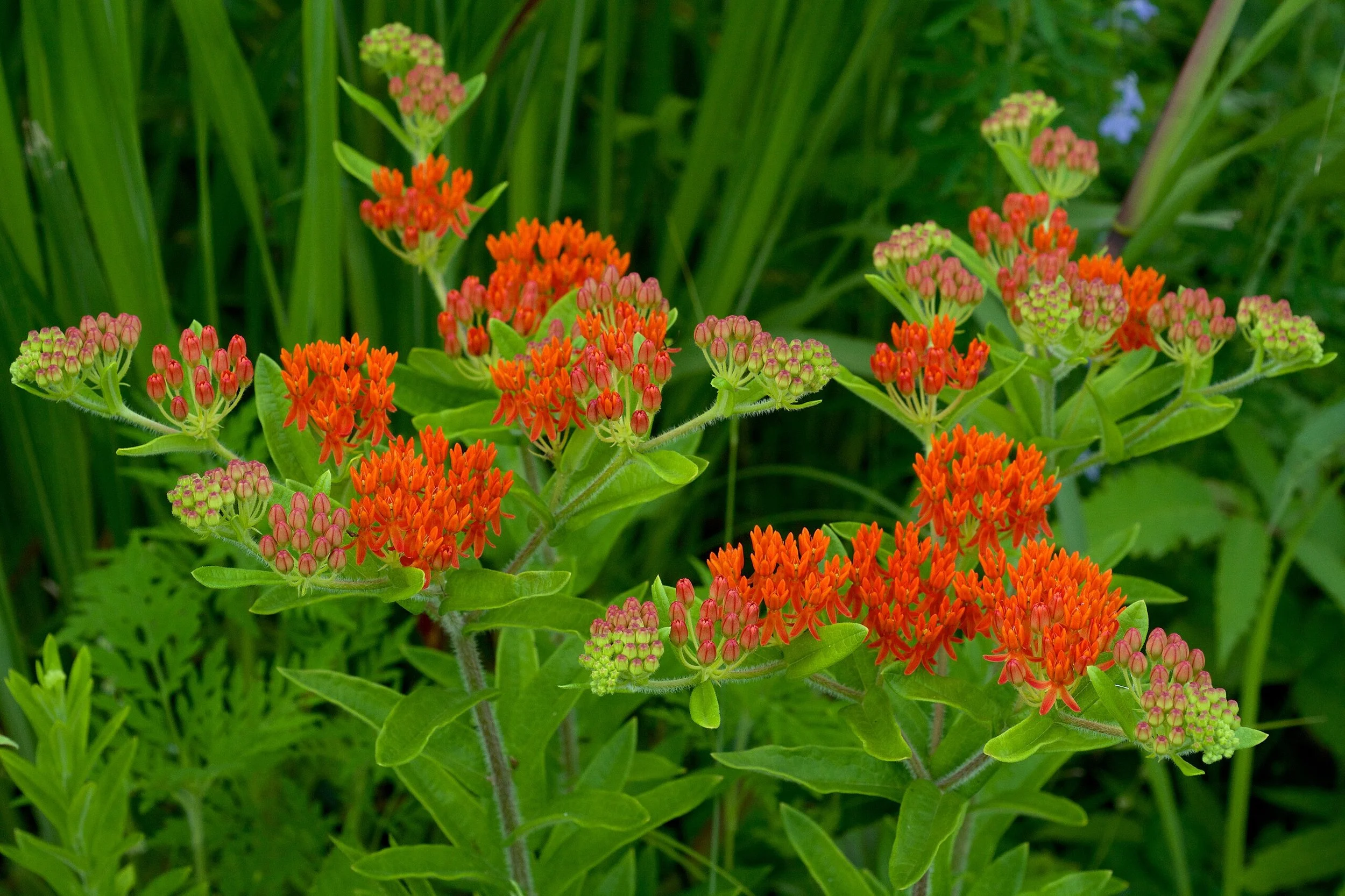
Butterfly Milkweed - Asclepias tuberosa
Butterfly Milkweed’s bright blooms provide essential nectar for monarchs and native bees, strengthening the upland edge of the lake ecosystem. Photo: Eric Hunt - CC BY-SA 4.0
-
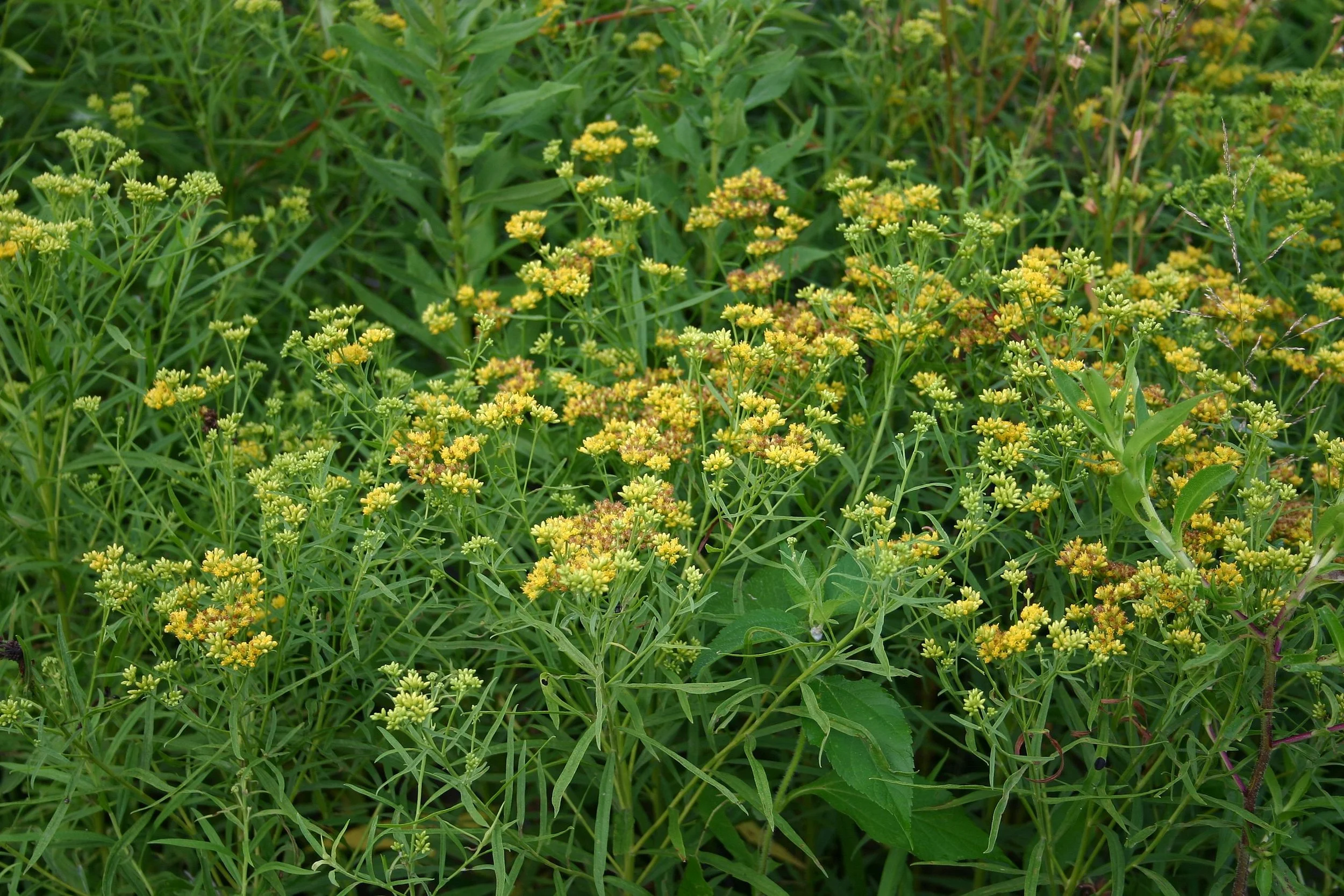
Grass-leaved goldenrod - Euthamia graminifolia
Grass-leaved goldenrod sustain insects when other blooms fade, strengthening late-season biodiversity around the lake. Photo: SB_Johnny | CC BY-SA 3.0
-
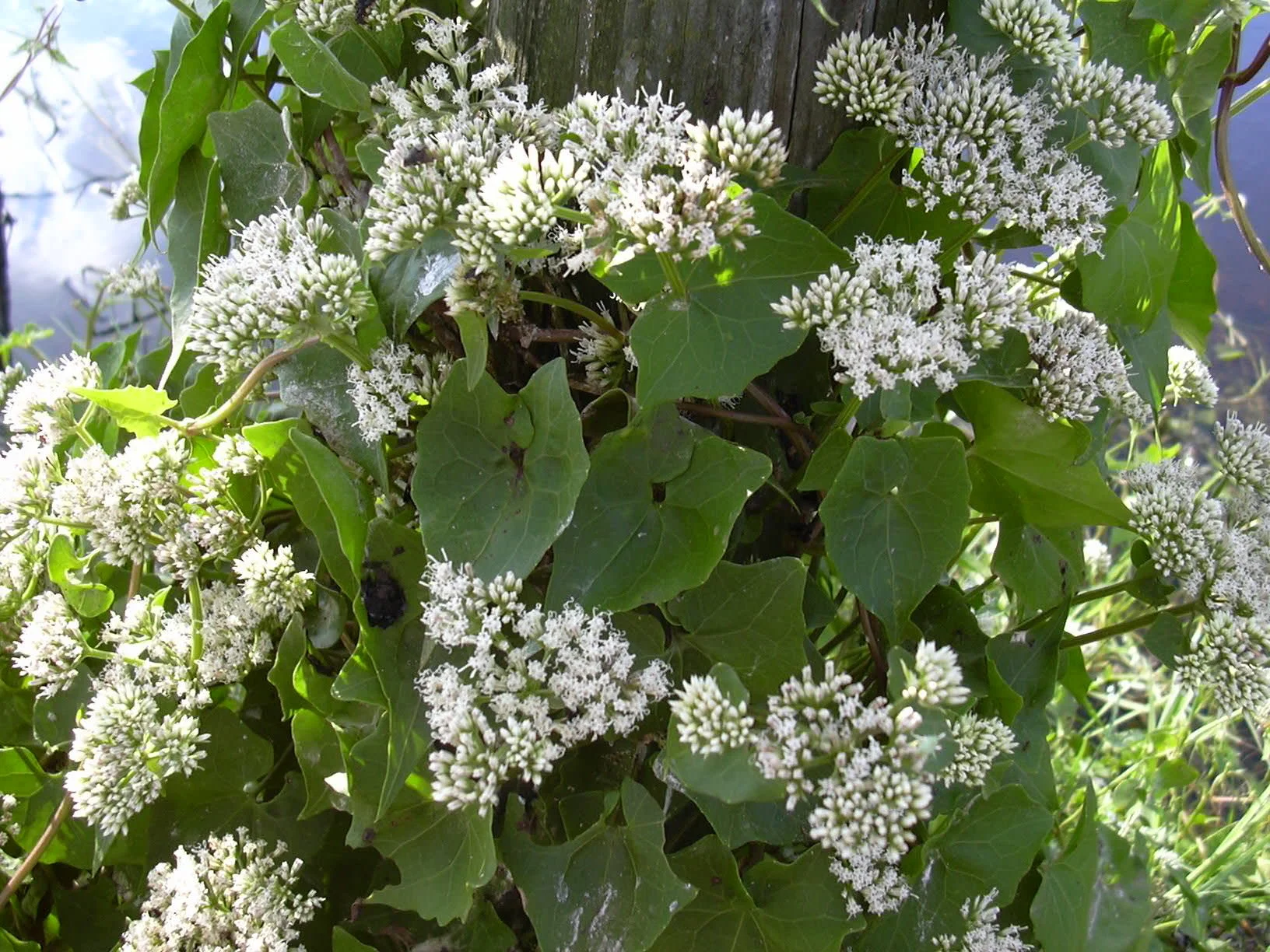
Climbing hempvine - Mikania scandens
Climbing hempvine is a vine that feeds butterflies and bees and weaves through moist shoreline thickets. Photo: Forest & Kim Starr | CC BY 3.0
-
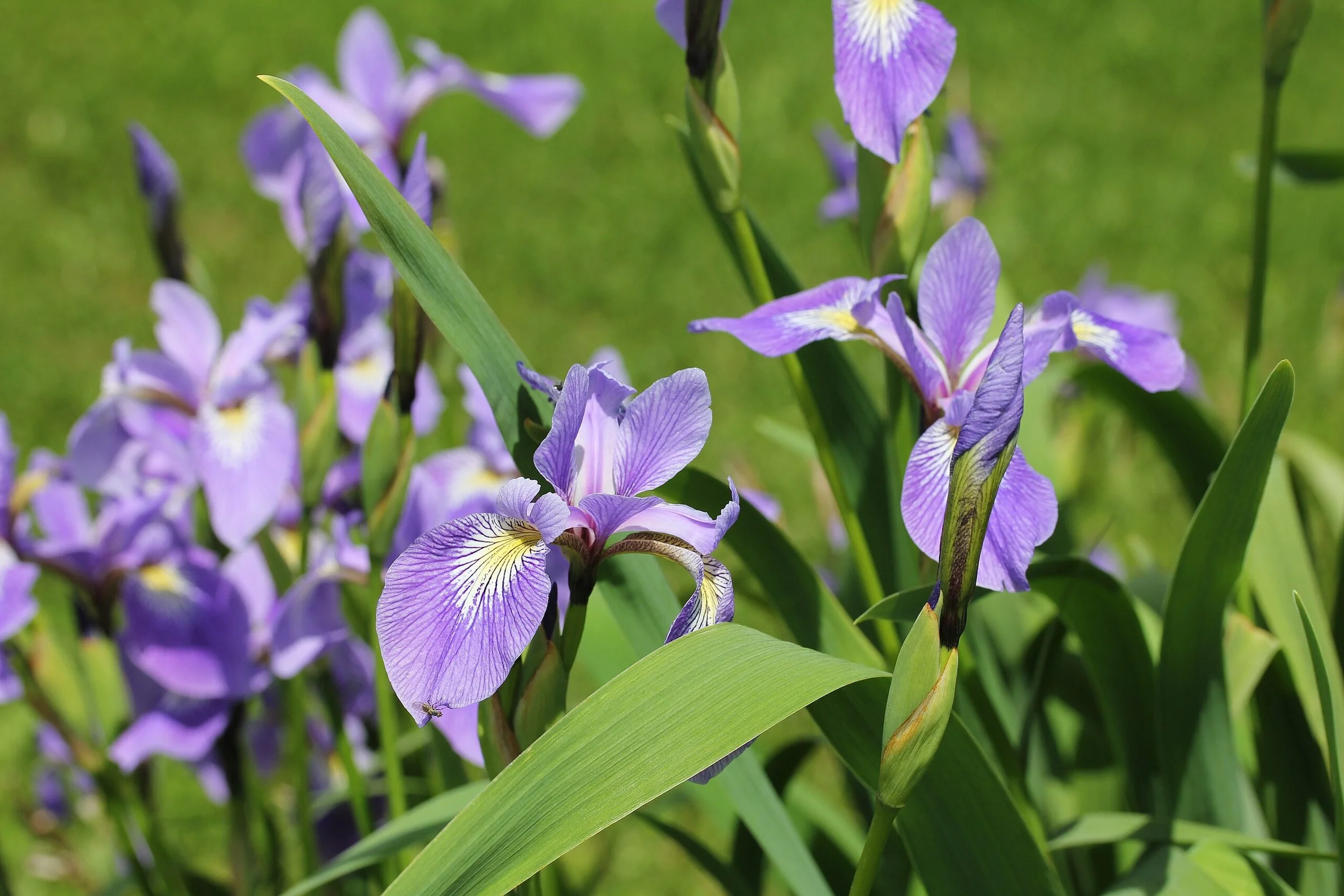
Blue Iris - Iris versicolor
Blue Iris is a vivid wetland iris that feeds pollinators and anchors the edges of shallow lake margins. Photo: Nichole Ouellette | CC BY-SA 4.0
-

Bulrush - Typha latifolia
Also known as Broadleaf Cattail, Red-winged Blackbirds thrive in cattail stands, nesting among the stalks and feeding on the insects and seeds of healthy marsh habitat. Photo: Rory O’Flynn
-
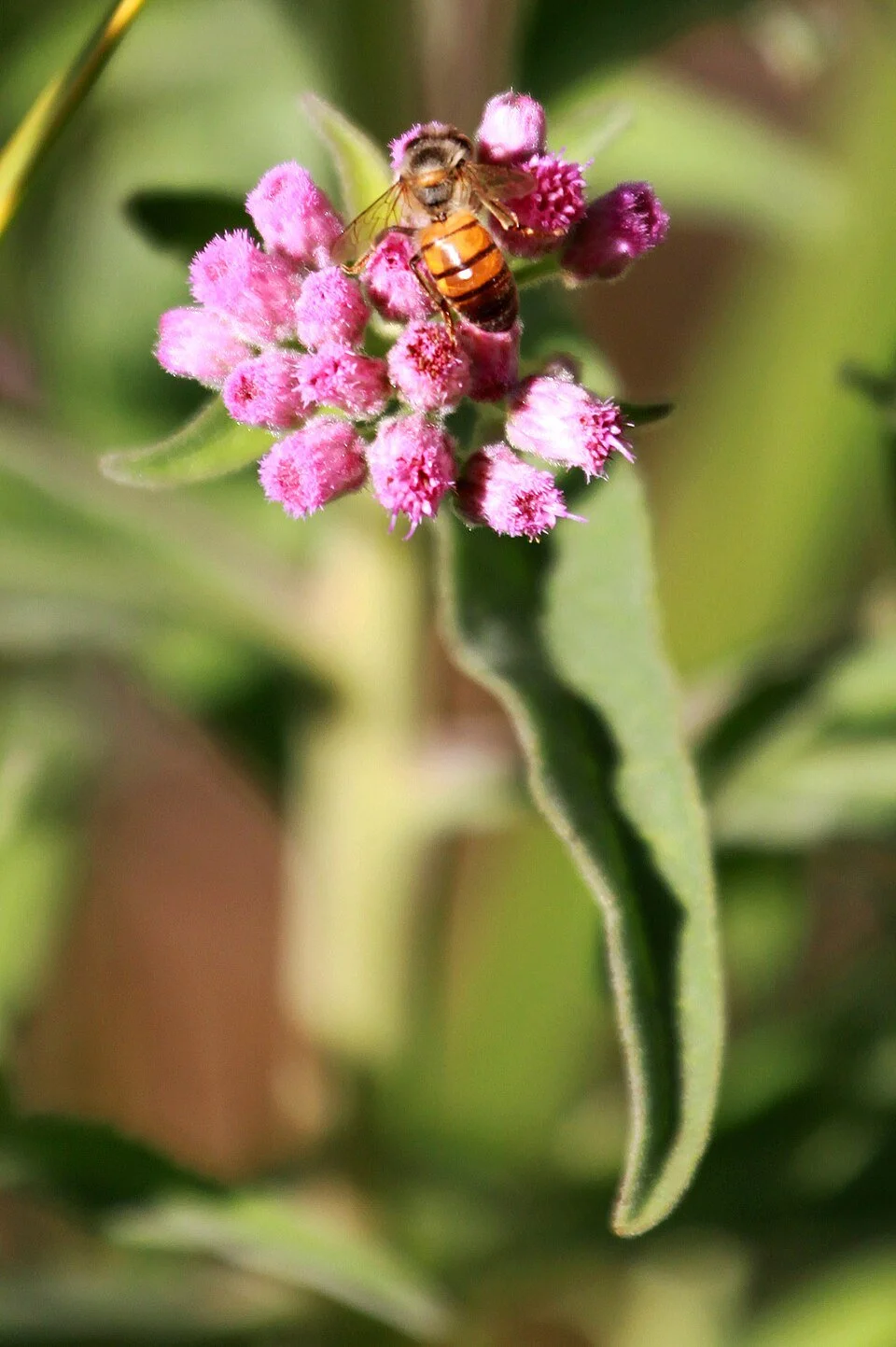
Marsh fleabane - Pluchea odorata
Marsh fleabane is a fragrant wetland aster that supports butterflies and native pollinators while thriving in wet shoreline soils. Photo: WintertanagerJ.T. Storey | CC BY-SA 3.0
-
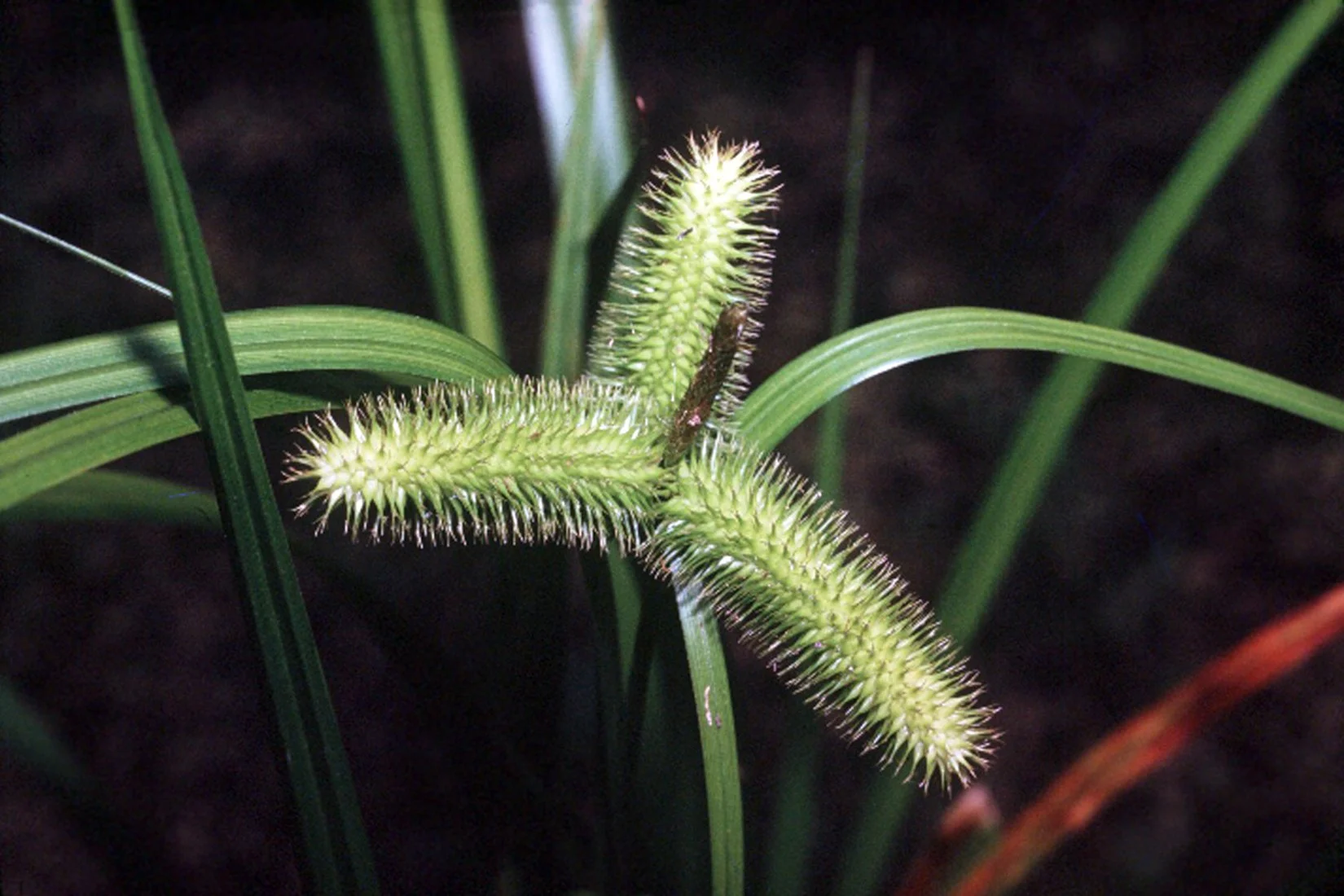
Bristly Sedge - Carex comosa
A tufted lakeshore sedge that anchors muddy soils and shelters insects, amphibians, and marsh birds.
Photo: Robert H. Mohlenbrock
Ferns
-
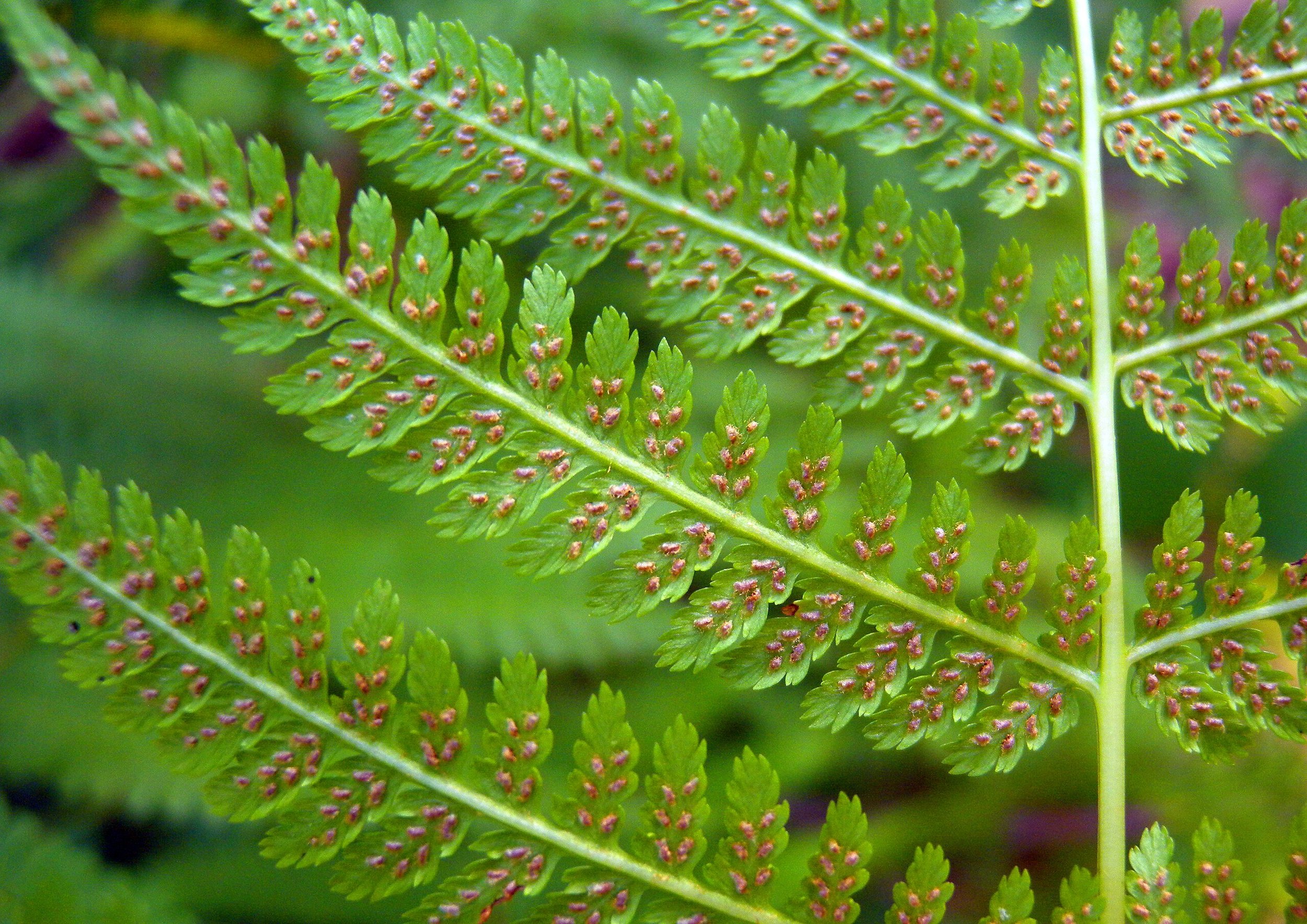
Lady Fern - Athyrium filix-femina
A graceful wetland fern that anchors damp soils and enriches shaded shoreline habitats. Photo: MurielBendel | CC BY-SA 4.0
-
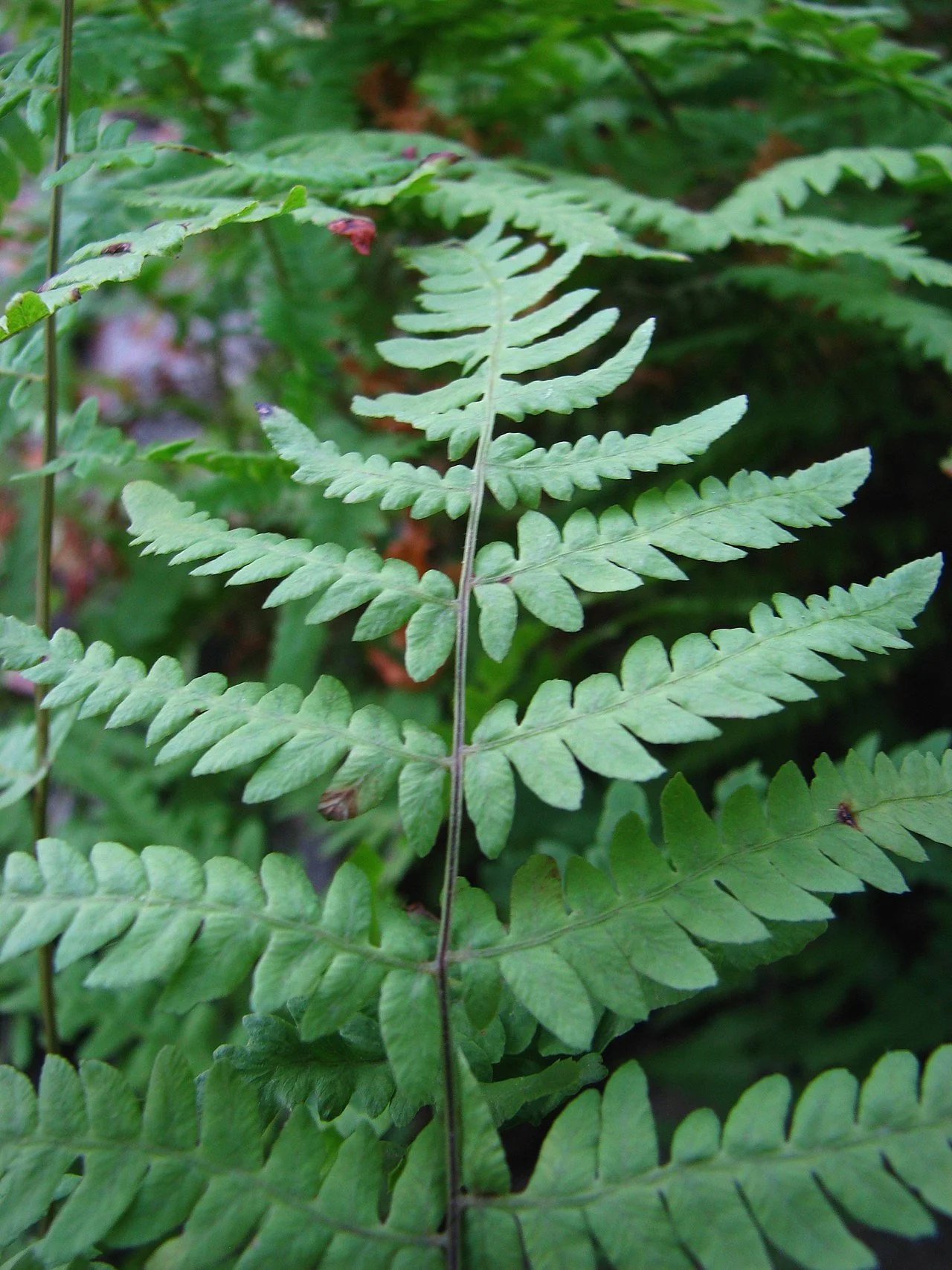
Eastern marsh fern - Dryopteris palustris
Eastern marsh fern thrives only in persistently saturated soils, making it a strong indicator of healthy, water-rich marsh habitat along the lake’s edge. Photo: Agnieszka Kwiecień, Nova | CC BY-SA 3.0
-
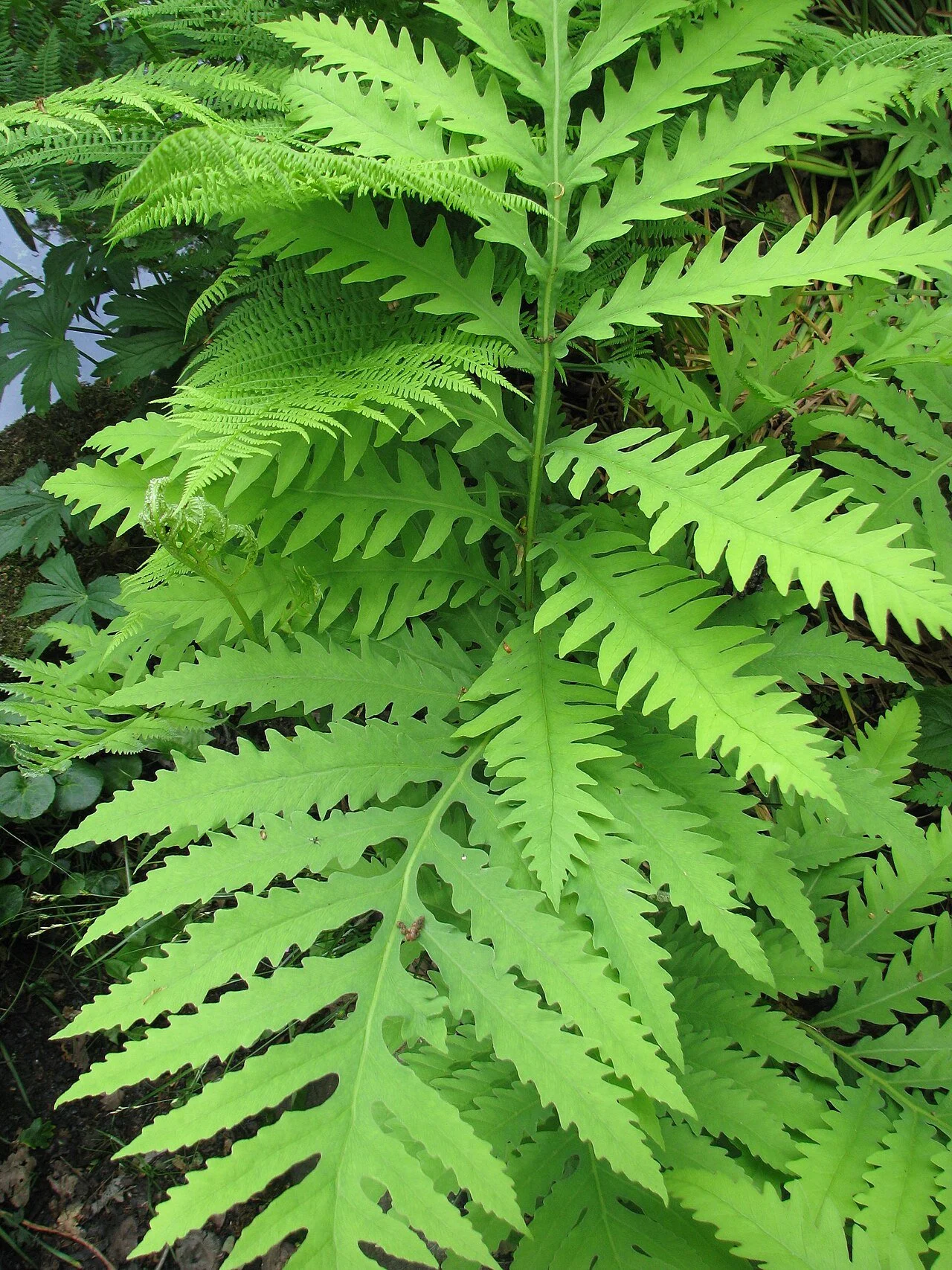
Sensitive Fern - Onoclea sensibilis
The presence of Sensitive Fern signals healthy, saturated ground and adds resilient understory cover to recovering wetland habitat. Photo: peganum | CC BY-SA 2.0
-
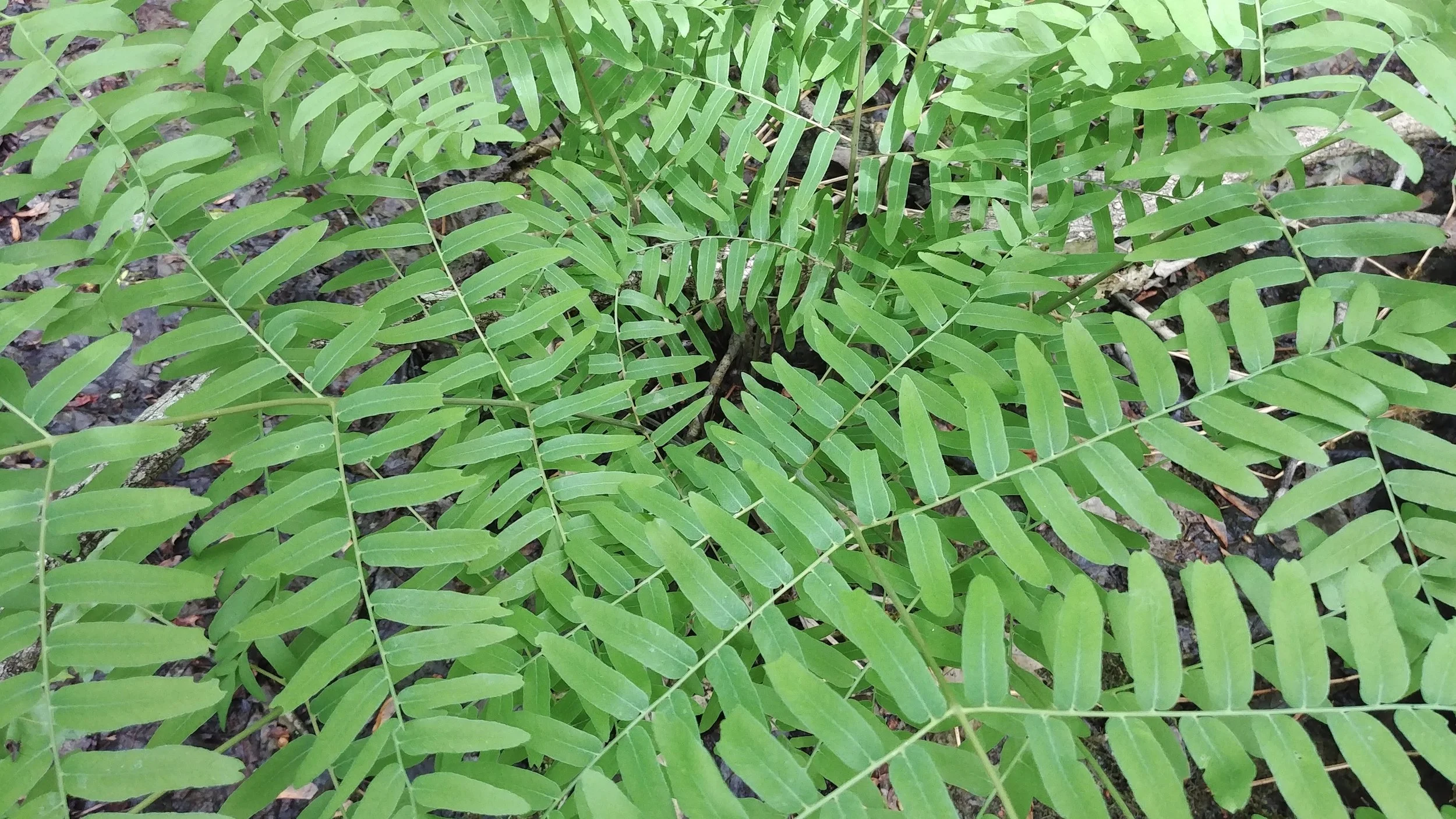
Royal Fern - Osmunda regalis var. spectabilis
Royal fern is a tall wetland fern that anchors soggy soils and enriches shaded, water-rich habitat. Photo:
Nonenmac | CC BY-SA 2.0